Social Media has become an integral part of our lives. Platforms like Facebook, Instagram, Twitter, and LinkedIn are essential for everyone, but each platform serves a different purpose depending on the user. For example, Facebook is often used to share personal life updates, Instagram is a platform for showcasing skills, Twitter is a space for sharing thoughts, and LinkedIn is used to build business relationships, especially for B2B companies.
You’ve likely used these platforms for some reason, but it’s time to look at them as more than just entertainment. According to The Global Statistics, India is projected to have 467 million social media users in 2024, with an average user spending 2.36 hours daily on social platforms. This data demonstrates the immense potential of social media. With so many users spending hours online, why limit your social media activity to just fun and entertainment? Social Media can be a goldmine if used wisely, whether you are a business owner, content creator, or professional.
When it comes to businesses, Social Media Marketing (SMM) plays a crucial role. In this blog, we’ll dive into SMM and its importance for businesses in 2024, along with key strategies for success.
Table of Contents
ToggleWhat is Social Media Marketing?
Social Media Marketing (SMM) refers to marketing your business, services, or skills on social media platforms through paid strategies. It is a powerful tool that helps businesses grow by sharing content, increasing brand awareness, and generating leads via paid promotions. Unlike Social Media Optimization (SMO), which focuses on organic growth, SMM leverages paid campaigns to target specific audiences and drive conversions.
SMM allows you to:
- Share business-related content on various platforms.
- Boost your posts to increase reach.
- Run paid promotions to generate leads.
Key Terms in Social Media Marketing
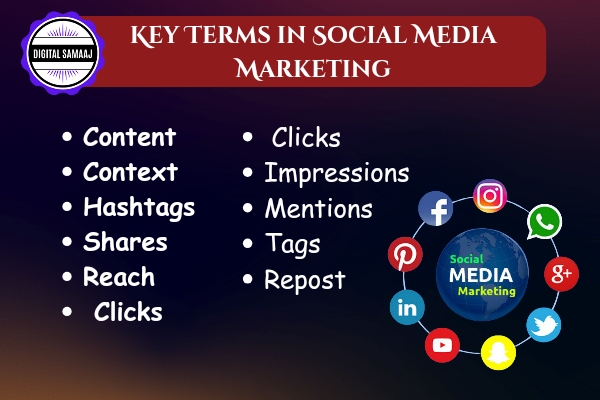
Before diving into SMM, it’s crucial to understand the commonly used terms:
Content:
This is any form of information or knowledge shared on social media platforms. It can be text, images, audio, or video. Each platform may require a different format, so tailoring your content to fit specific platforms is essential.
Context:
Understanding the context of the content is crucial. The same content may perform well on one platform but not as well on another. For example, an Instagram Reel may go viral, but sharing the same Reel on LinkedIn may not yield similar results.
Hashtags:
Hashtags are vital for increasing the visibility of your content. Using relevant hashtags helps your posts reach a broader audience. Platforms like Instagram, Facebook, and Twitter all support hashtags, making them an essential element of your SMM strategy.
Shares:
When users find your content valuable, they share it with others. The more shares you receive, the more people will become aware of your brand.
Reach:
This refers to how many users have seen your post. SMM helps expand your reach by targeting your desired audience.
Clicks:
These represent how many users took action by clicking on your post.
Impressions:
Impressions indicate how many times your content was displayed, whether or not users interacted with it.
Mentions:
This reflects how often your brand or account is mentioned in posts.
Tags:
When users tag your account or username in their posts, it increases your visibility and engagement.
Repost:
When your audience reposts your content, it extends the reach of your original post.
Why is Social Media Marketing Important?
SMM is an indispensable tool in the digital marketing landscape. Ignoring it could mean missing out on a vast pool of potential customers. Here are some key benefits of Social Media Marketing:
Brand Awareness:
The number of social media users is constantly growing. Since the pandemic, online engagement has skyrocketed. Regularly sharing content about your business on social media helps people recognize and remember your brand, ultimately increasing your brand value.
Targeted Reach:
One of the biggest advantages of SMM is its ability to target specific audiences. You can customize your ad campaigns to reach only those users who are interested in your products or services, ensuring that your marketing budget is spent efficiently.
Customer Relations:
Quality content attracts social media users. When you post valuable content and engage with your followers through comments, likes, and shares, it helps build trust in your brand. Hosting giveaways and live sessions can also strengthen relationships with your customers.
Lead Generation:
Social media is a great platform for generating leads. By running paid campaigns and boosting posts, you can expand your reach and attract potential customers interested in your products.
Direct Selling:
With features like Facebook Marketplace and Instagram Shop, selling on social media has never been easier. Businesses can now connect directly with customers without any intermediaries.
How to Implement Social Media Marketing Strategy
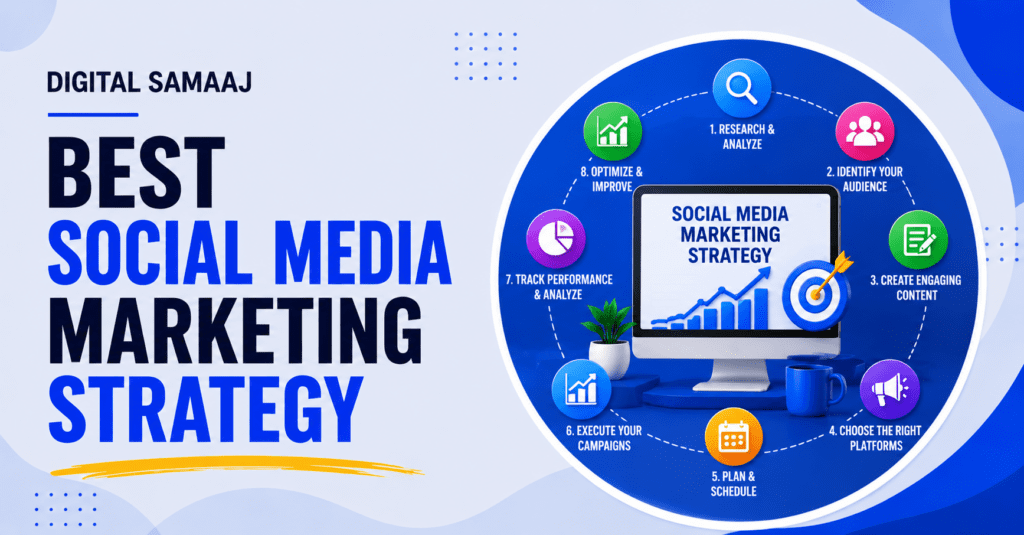
Now that we’ve established why SMM is crucial, let’s discuss how to implement a successful Social Media Marketing strategy:
Planning & Execution:
Before diving into SMM, you must plan your content and posting schedule. Consistency is key to success. Decide whether you want to promote a product, generate traffic to your website, or focus on lead generation. Craft a strategy tailored to these goals.
Content Creation:
- Super Valuable: Ensure your content adds value to your audience. The more saves and shares your posts get, the higher the chances of them going viral.
- Audience-Centric: Create content that resonates with your audience’s interests and needs. This builds a long-term connection with them.
- Clear Call to Action: Be clear about what action you want your audience to take after viewing your post. Do you want them to visit your website, sign up for your course, or download an eBook? Define your goals clearly.
Engagement:
Engaging with your audience is just as important as posting consistently. Respond to comments, interact with followers through live sessions, and stay updated with trends to keep your audience engaged.
Analysis:
Use tools like Google Analytics, HubSpot, and Sprout Social to track the performance of your campaigns. Analyze which posts and ads are delivering the best results and adjust your strategy accordingly.
Types of Social Media Marketing
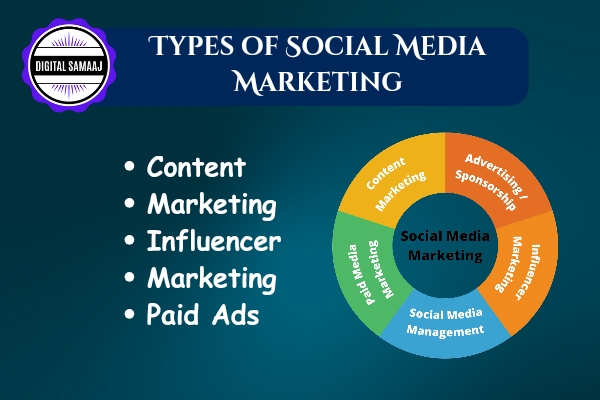
SMM is not just limited to Facebook, Instagram, and Twitter. It is a broad concept encompassing various skills:
Content Marketing:
Creating and promoting valuable content that solves your audience’s problems is at the core of content marketing. It helps build brand awareness and trust with your audience.
Collaborating with influencers who have large followings can boost your brand’s visibility and generate leads. It’s important to define your goals, find the right influencers, and create a campaign that maximizes results.
Paid Ads:
Paid advertising on platforms like Facebook, Instagram, Twitter, LinkedIn, and YouTube allows you to target your audience precisely. Before running ads, define your objective, set your budget, and customize your target audience to achieve the best results.

🚀 Reserve Your FREE Spot Now & Join the Upcoming AI + Digital Marketing Webinar!
Fill in Your Details to Get Instant Access
Conclusion
In today’s digital age, Social Media Marketing is essential for business growth. With the power to target the right audience at the right time, SMM can significantly boost your sales and conversions. Whether you’re a business owner, content creator, or digital coach, mastering social media marketing can help you achieve your goals.
Looking to learn Social Media Marketing and implement strategies for business growth?
Visit our website Digital Samaaj and enroll in our digital marketing courses in Hindi to generate multiple streams of income without high-risk investments!
Click Below To Share This Post To Your Friends